Agriculture
 TOP STORY
Rwanda has outlined an ambitious plan to become a high income country by 2050, placing economic transformation, innovation, industrialization, and human development at the center of its long term national agenda.
August 05, 2026
Private investment has been placed at the centre of Rwanda's long term development strategy as the country seeks to attract more foreign capital to accelerate industrialization, innovation, and economic growth.
1 month ago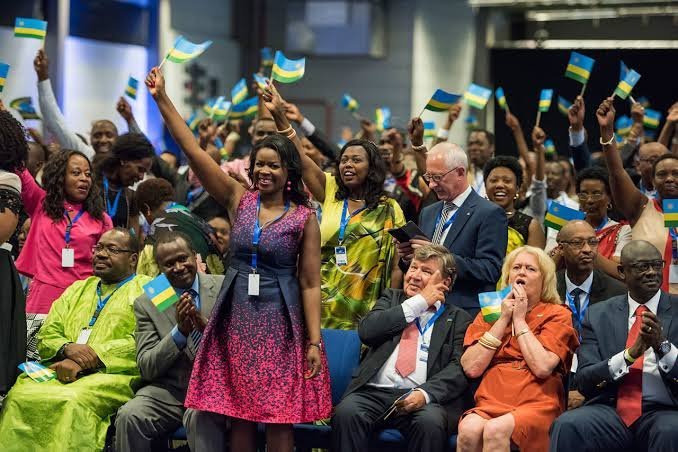
Rwanda's Vision 2050 identifies the diaspora as one of the key stakeholders expected to contribute to the country's long term economic transformation through investment, knowledge, and international networks.
1 month ago
Rwanda is strengthening its international partnerships as part of Vision 2050, positioning diplomacy as a tool for attracting investment, expanding trade, and supporting long term economic transformation.
1 month ago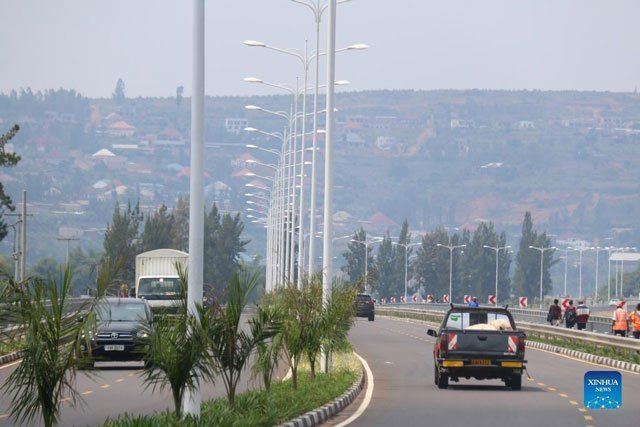
Rwanda has identified transport connectivity as a national development priority under the National Strategy for Transformation 2, with investments planned to improve roads, logistics, regional trade, and economic competitiveness.
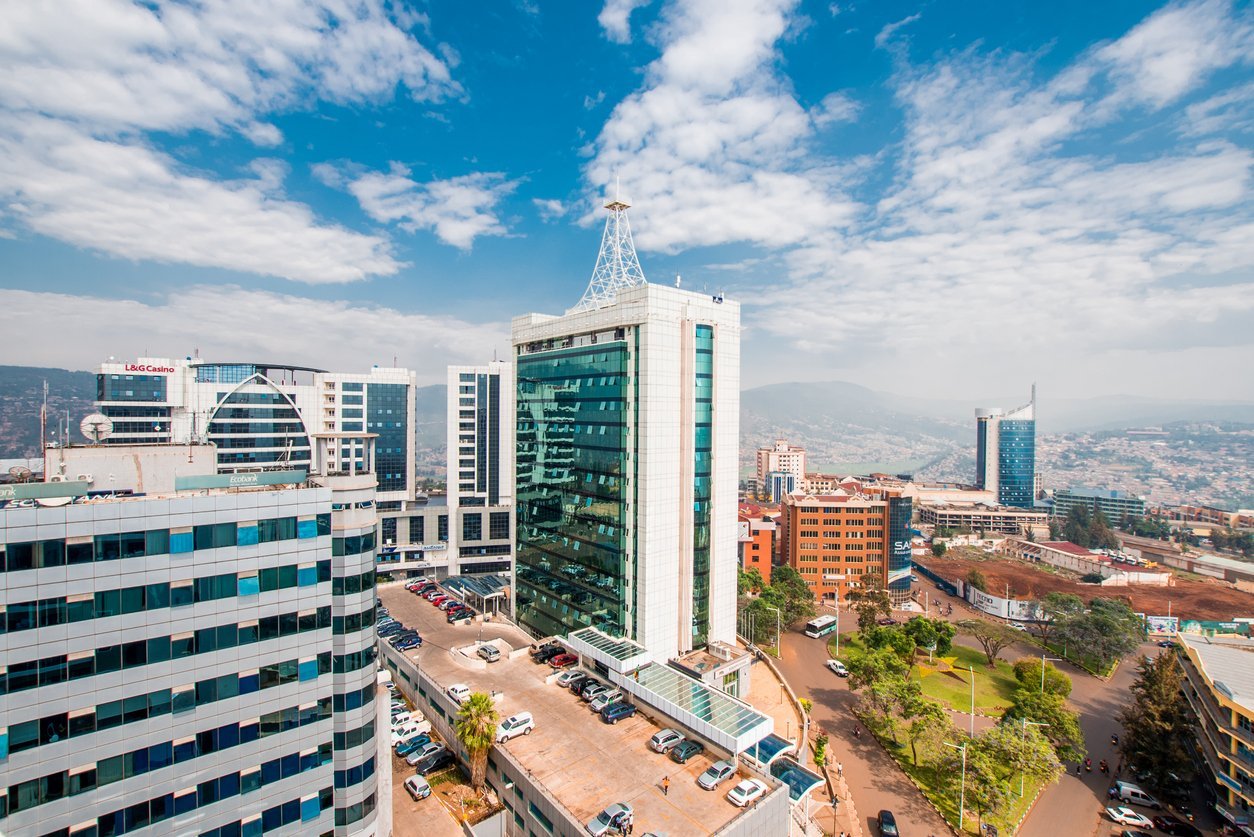
The framework through which Rwanda's investment climate is analysed has shifted materially, from post-conflict reconstruction toward a more consequential question: whether governance efficiency can evolve into industrial scale within one of Africa's most competitive regional economies. Rwanda has spent two decades constructing one of the continent's most administratively coordinated business environments, distinguished by digital governance integration, customs modernisation, rapid business registration, and state-led coordination that sets Kigali apart from larger but more institutionally fragmented economies. The significance extends beyond ease-of-doing-business rankings. Rwanda represents an experiment in whether governance discipline, logistics integration, and policy predictability can compensate for landlocked geography, a small domestic market, energy constraints, and limited industrial depth. The current moment sharpens this question: global supply chains are fragmenting, manufacturing is diversifying away from Asian concentration, Gulf capital is expanding aggressively into African infrastructure, and the AfCFTA is gradually building the institutional foundations for regional manufacturing ecosystems across East and Central Africa. Rwanda's challenge is no longer whether investment can enter the economy efficiently. The strategic question is whether that investment can scale into productive systems capable of converting energy into industrial output, industrial output into export competitiveness, and export competitiveness into mass employment and capital accumulation. The Singapore, Vietnam, UAE, and Mauritius comparisons are instructive, each transitioned from administrative efficiency into industrial relevance through infrastructure integration, energy scaling, and deep circulation into global commerce. Rwanda must pursue the same transition without maritime access, hydrocarbon revenues, or a stable regional infrastructure environment. Its next economic phase therefore hinges not on attracting investors, but on whether institutional coordination can achieve the productive scale required for long-term industrial competitiveness within an increasingly contested African landscape.
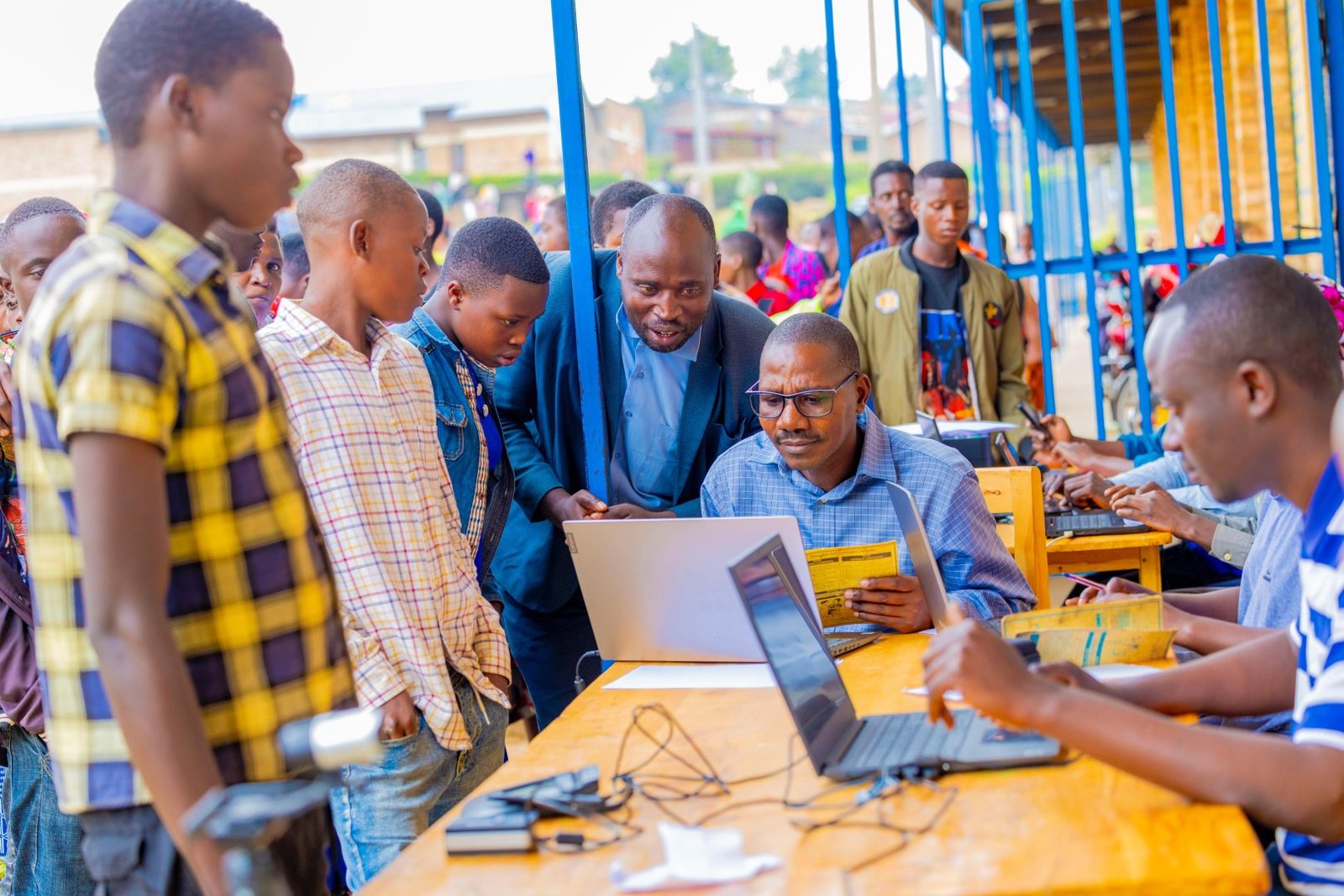
Rwanda has placed human development at the centre of its Vision 2050 strategy, with major investments planned in education, healthcare, skills development, and social wellbeing to support the country's long term economic transformation.
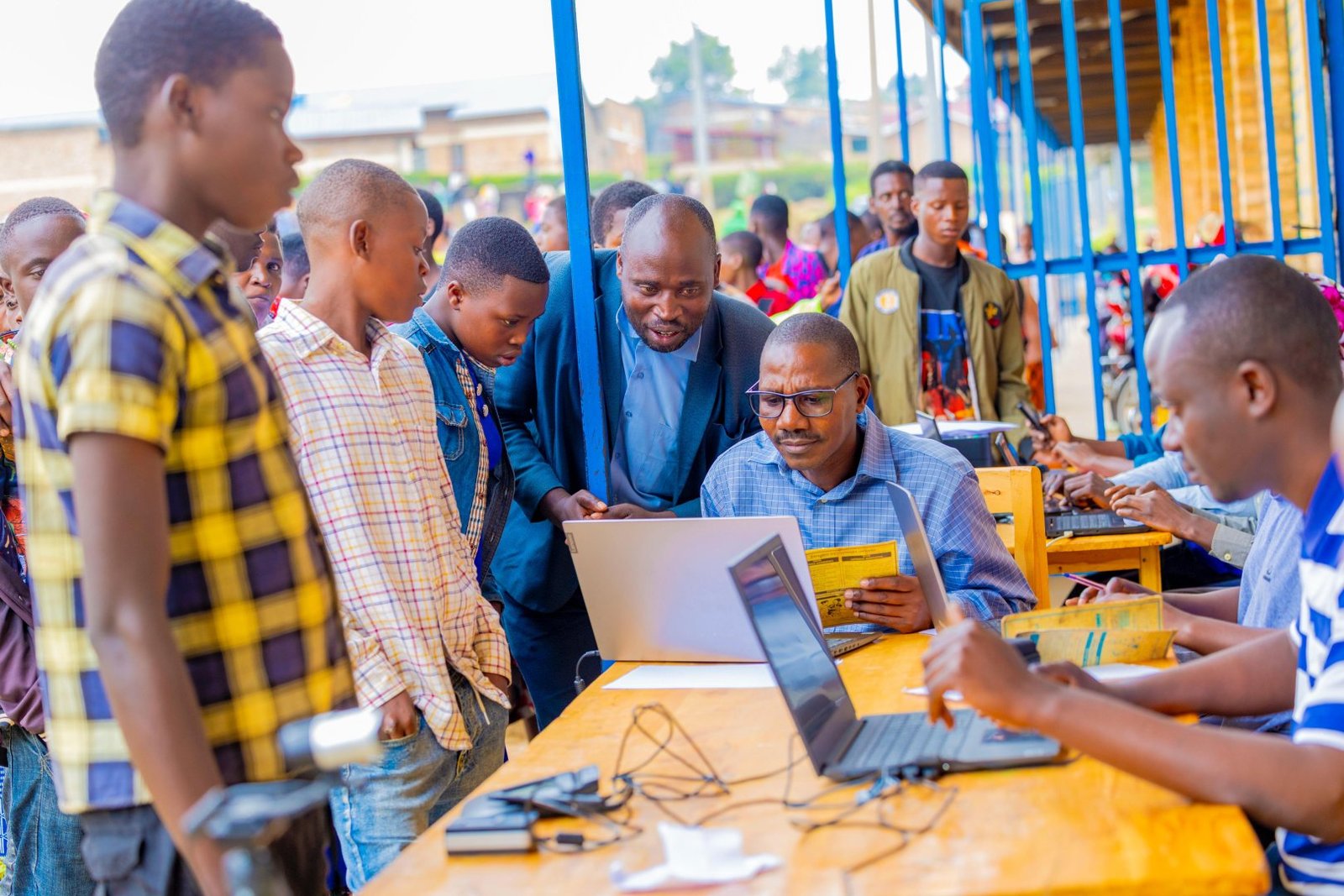
Rwanda has identified digital transformation as one of the key pillars of its National Strategy for Transformation 2, with the government aiming to accelerate economic growth through digital services, innovation, technology adoption, and expanded online public services.
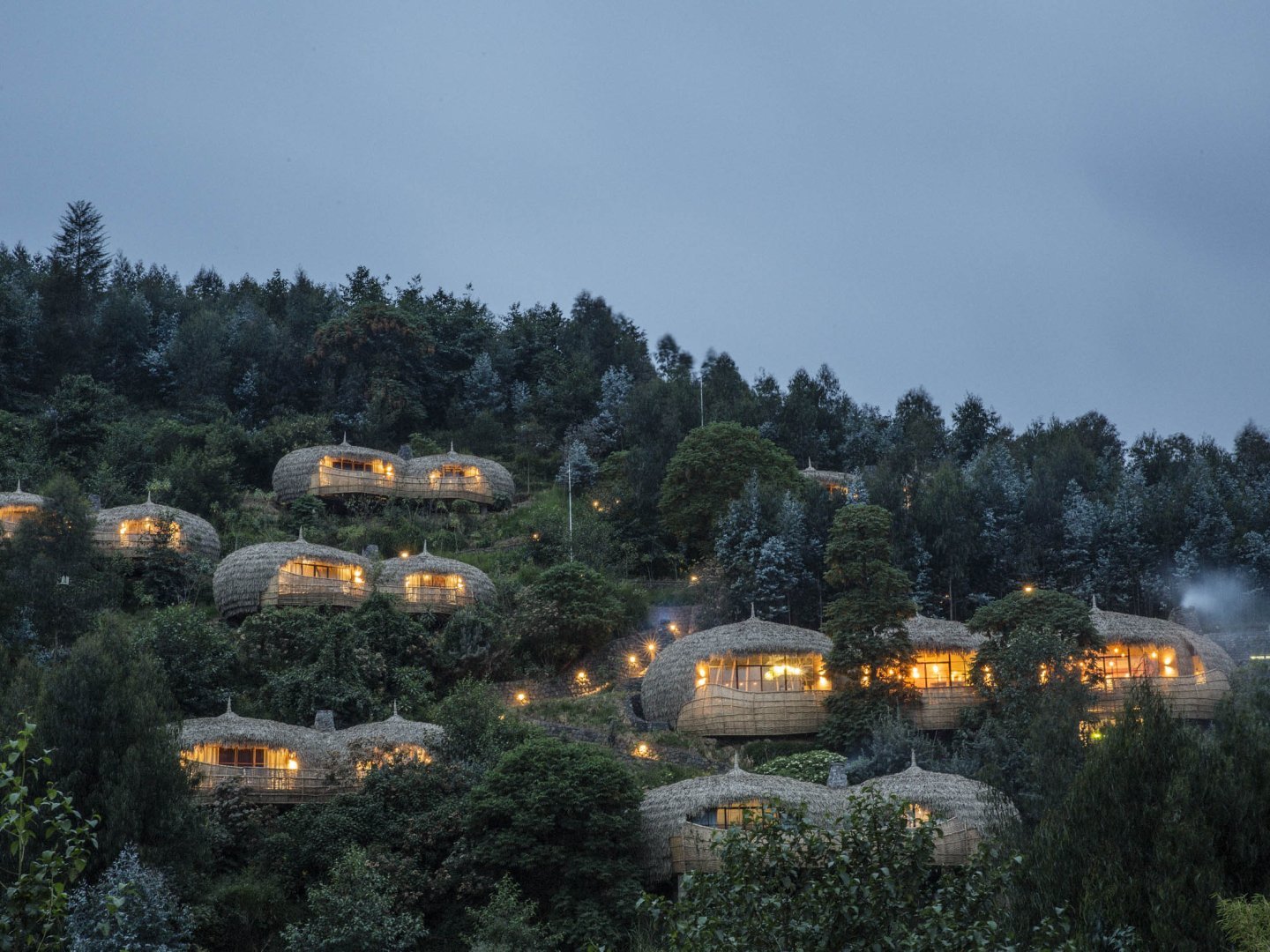
Rwanda is placing greater emphasis on high end, eco friendly, and diversified tourism under the National Strategy for Transformation 2 as the government seeks to increase foreign exchange earnings, create jobs, and strengthen the country's position as a regional tourism destination.
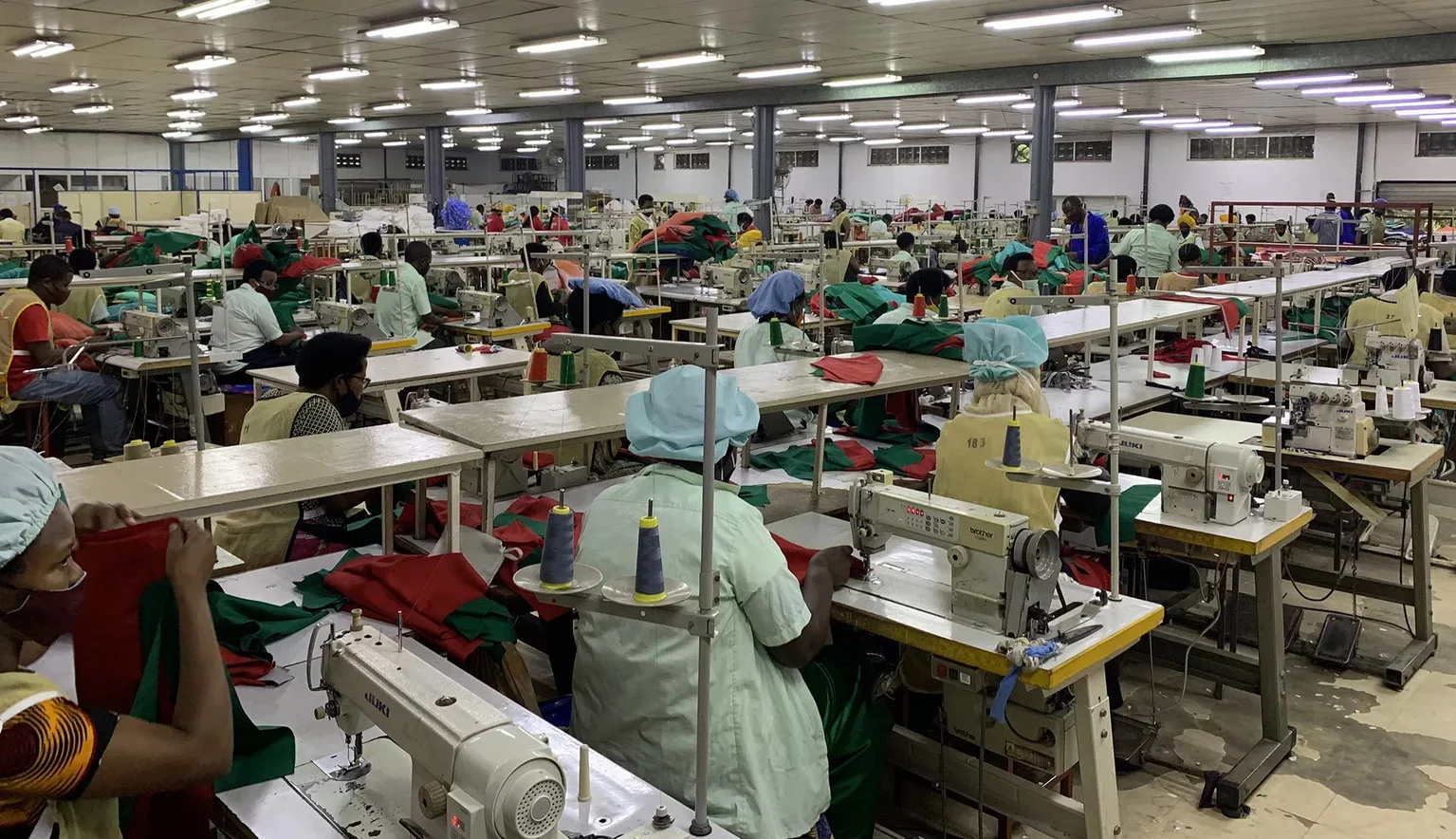
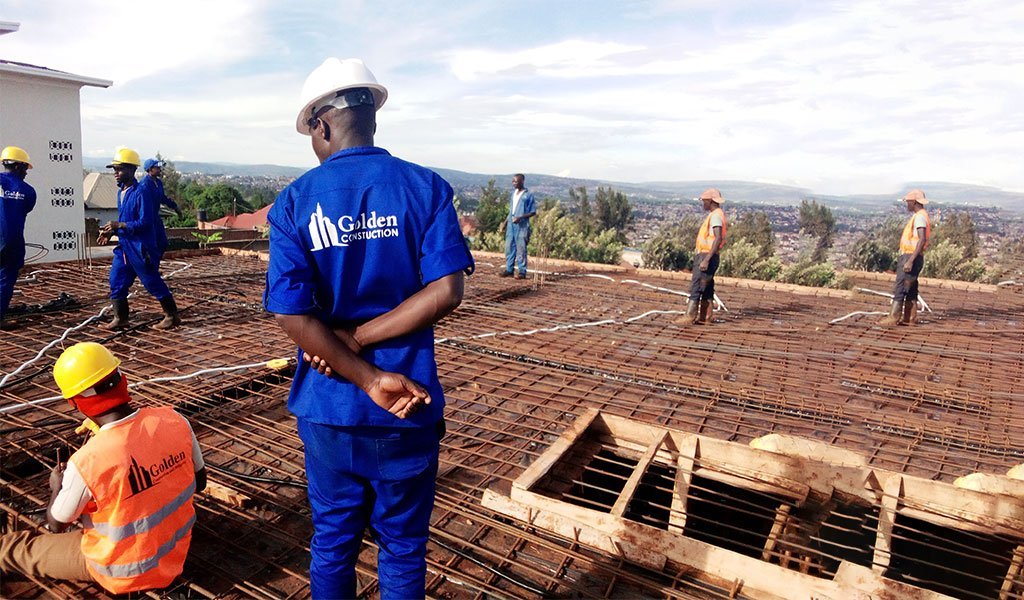
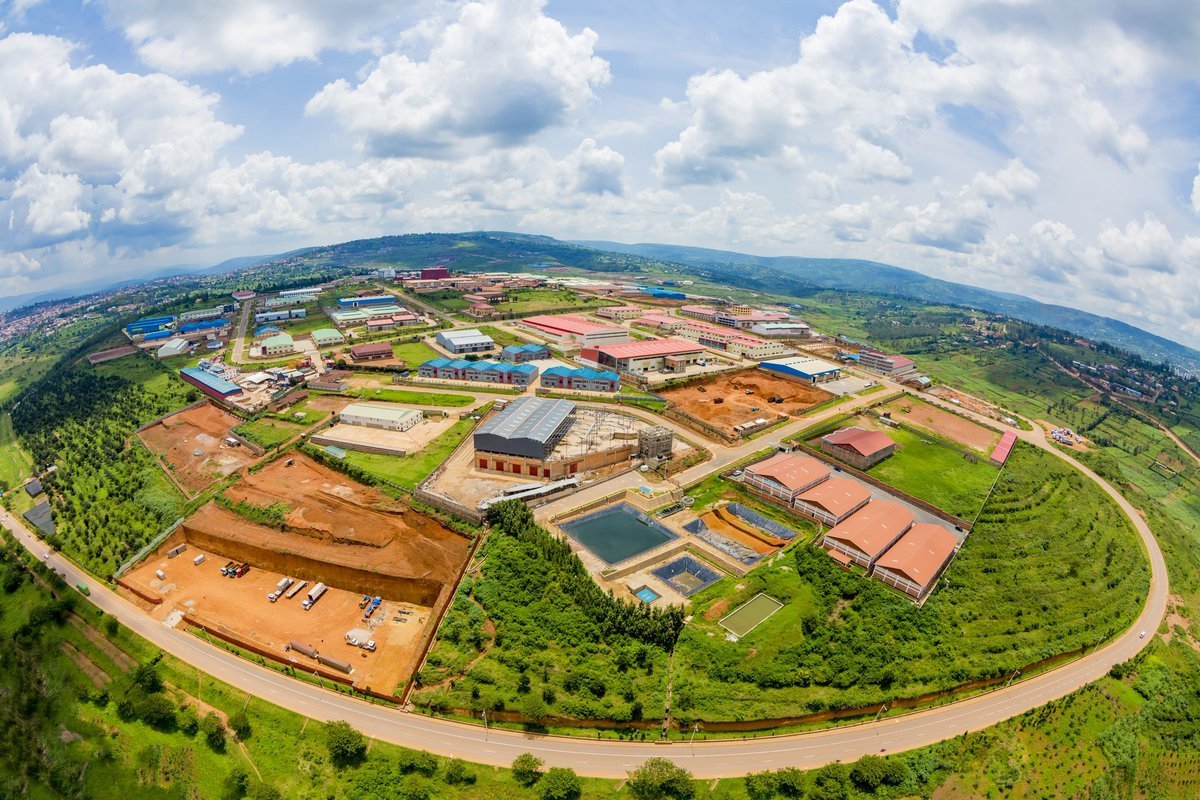
Rwanda is placing manufacturing at the heart of its economic transformation agenda as the government seeks to reduce the country's trade deficit, increase exports, create jobs, and accelerate industrial growth under the National Strategy for Transformation 2.

Kigali’s economic future depends on an "explosion of supply" and imaginative entrepreneurship that prioritises the needs of the many over the luxuries of the few.
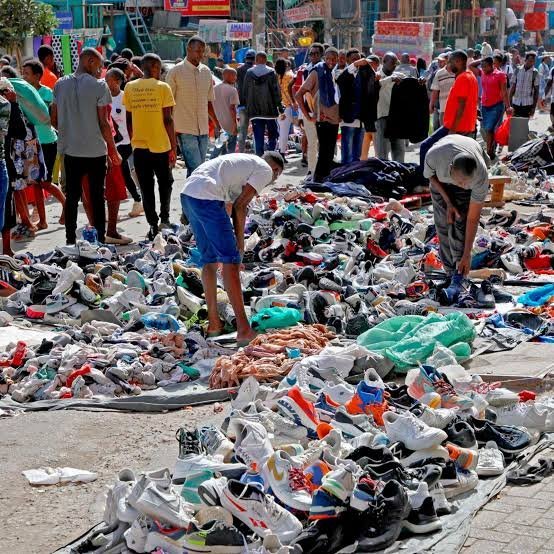
Rwanda raised tariffs on secondhand clothing from $0.20 to $4 per kilogram between 2016 and 2018, honouring a regional pledge every other East African Community member, Kenya, Uganda, Tanzania and Burundi, abandoned once the United States threatened their AGOA trade benefits. The US suspended Rwanda's own AGOA apparel eligibility in 2018 and later imposed a 30% tariff on Rwandan garment exports. Rwanda held the line anyway. Mitumba's share of its garment imports fell from roughly 30% to under 7%, and its textile and garment export revenue grew 83% in two years, redirected toward the DRC, Belgium, Germany and Hong Kong instead of the US. Smuggling through Uganda means the trade was never fully eliminated, an estimated $664,000 still entered in 2023, but Rwanda remains the only country in the region that refused to let a foreign trade threat dictate its industrial policy, and its government is now targeting 100% domestically made clothing by 2029.

Rwanda's passport ranks 73rd globally with visa free access to 33 countries, according to the latest Passport Index. Rwandan citizens can now travel to 71 destinations through visa free, visa on arrival, or electronic travel authorization arrangements.