
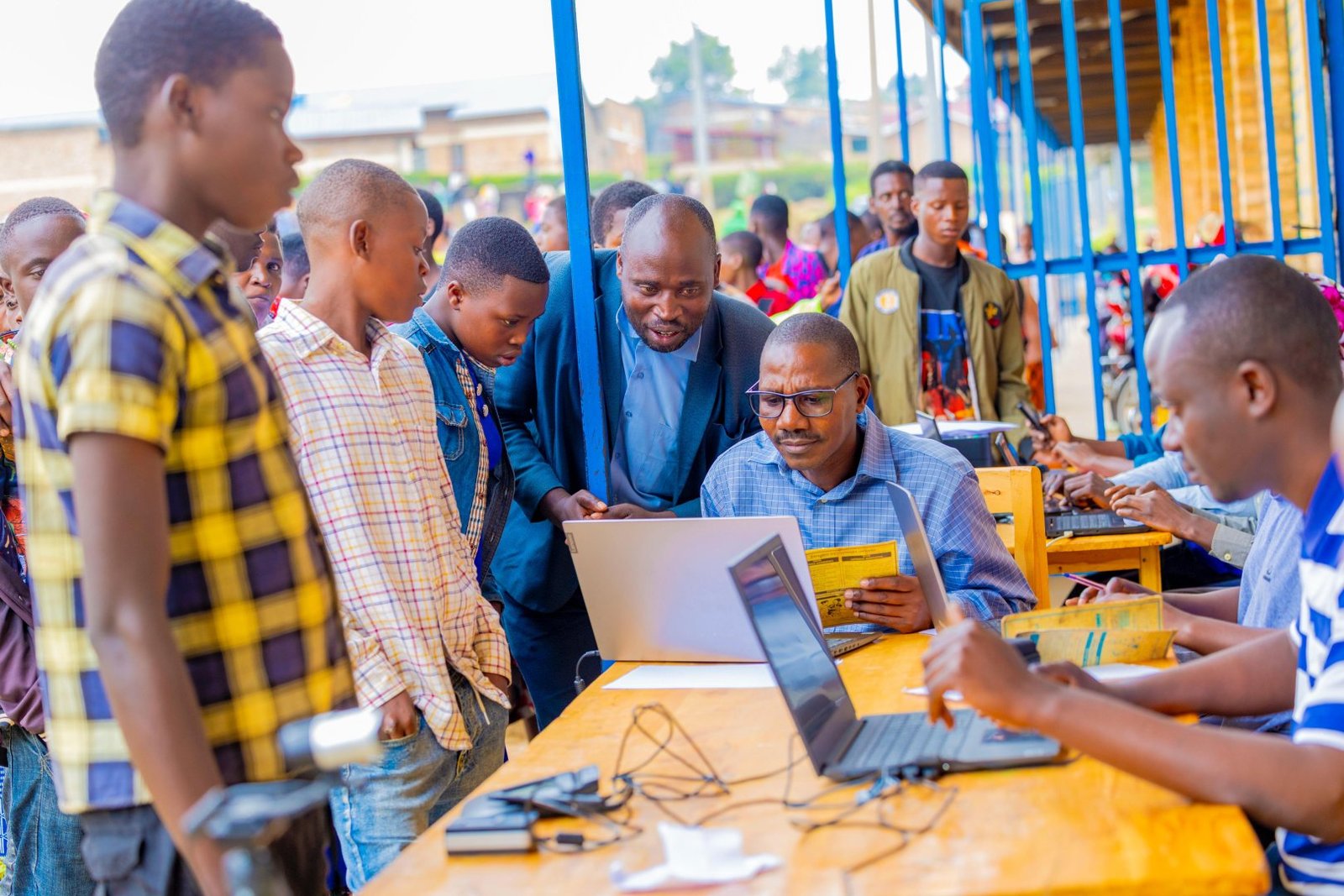
The Government of Rwanda has placed digital transformation at the centre of its National Strategy for Transformation 2 (NST2), signalling that technology will play a leading role in the country's economic and social development over the next five years.
According to NST2, digital transformation is one of the priority areas under the Economic Transformation Pillar. The strategy seeks to expand digital infrastructure, promote innovation, improve government services, and strengthen the country's digital economy as Rwanda works toward achieving the ambitions of Vision 2050.
The government views digital technology as an essential driver of productivity across sectors including manufacturing, agriculture, education, healthcare, finance, transport, tourism, and public administration.
Building on recent progress
NST2 highlights the progress Rwanda has already made in digitizing government services.
According to the strategy, the number of public services available online increased from 155 services in 2017 to more than 680 services by 2024, marking one of the country's most significant public sector digital reforms.
The expansion has enabled citizens and businesses to access a growing range of government services electronically, reducing paperwork, improving efficiency, and lowering administrative costs.
The strategy states that future investments will continue to harness data, digital technologies, innovation, and skills development to improve service delivery and strengthen national competitiveness.
Digital economy central to Vision 2050
Rwanda's long term Vision 2050 also identifies technology and innovation as fundamental pillars of national development.
According to the document, the country plans to make long term investments in human capabilities, innovation, technological advancement, urban development, and accountable institutions to support sustained economic transformation.
Vision 2050 further recognizes Rwanda's existing ICT foundation as one of the country's strategic strengths that can support future competitiveness and private sector growth.
Regional comparison
Rwanda has emerged as one of East Africa's leading digital economies, although competition across the region continues to intensify.
Kenya remains the regional leader in digital financial services and technology startups, driven largely by Nairobi's innovation sector and the widespread adoption of mobile money. Tanzania has expanded digital government services while increasing investment in broadband infrastructure and digital payments. Uganda has continued to grow its technology sector through fintech, e commerce, and digital entrepreneurship initiatives, while the Democratic Republic of Congo and Burundi are gradually expanding internet infrastructure despite lower levels of digital penetration.
Rwanda has instead focused on integrating digital technology across public administration, healthcare, education, investment promotion, and service delivery as part of a coordinated national development strategy.
Driving economic growth
According to NST2, digital transformation is expected to improve productivity across the economy while supporting industrial development, financial inclusion, job creation, and private sector competitiveness.
The strategy also complements other national priorities including manufacturing, renewable energy, transport connectivity, climate resilience, education reform, and financial sector development.
As Rwanda advances toward its Vision 2050 targets, policymakers view digital transformation not simply as a technology initiative, but as a cross cutting enabler of economic growth and improved quality of life.
Key Facts
- Digital transformation is a priority under NST2.
- Rwanda increased online public services from 155 in 2017 to more than 680 in 2024.
- Technology will support manufacturing, agriculture, healthcare, education, and finance.
- Innovation and ICT are pillars of Vision 2050.
- Digitalization aims to improve public service delivery and private sector competitiveness.
- Data and technology will support implementation of NST2.


