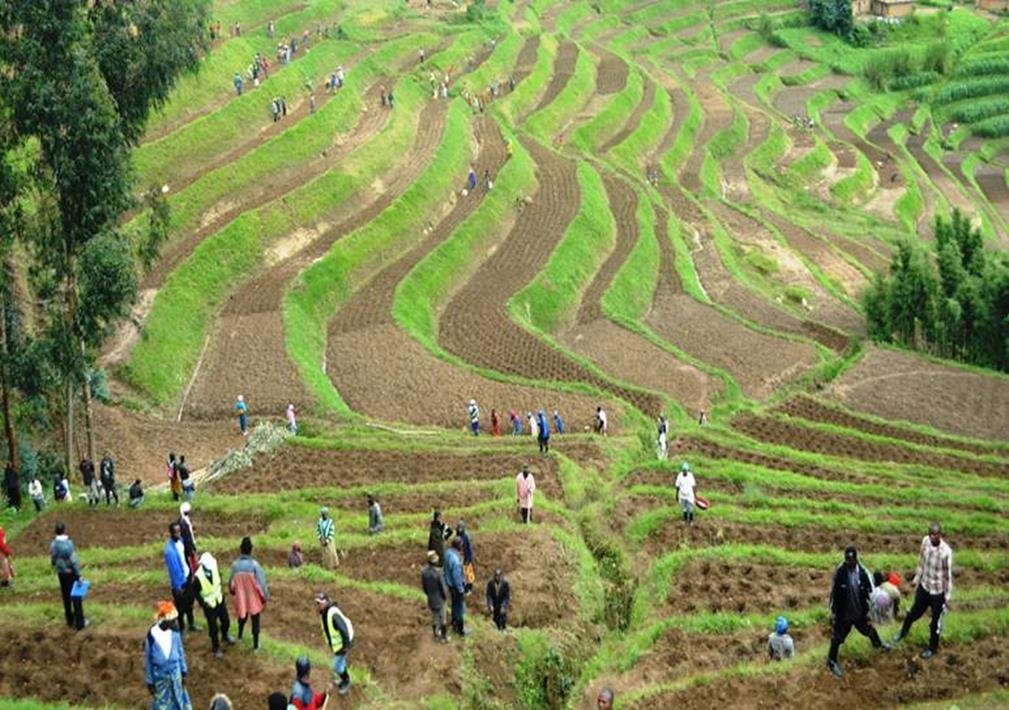
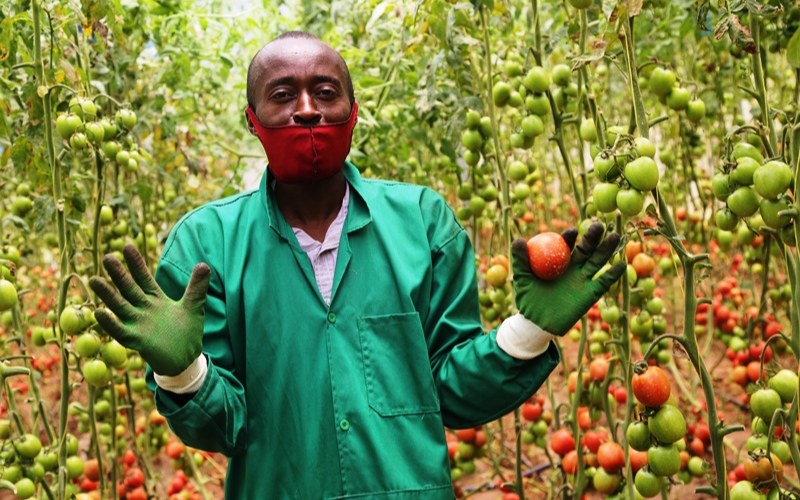
The Government of Rwanda has identified climate resilient agriculture as one of its top national priorities under the National Strategy for Transformation 2 (NST2), reflecting growing concern over the impact of climate change on food production and rural livelihoods.
According to NST2, Rwanda will promote climate resilient, productive, and modernized agri food systems between 2024 and 2029. The strategy aims to improve agricultural productivity while strengthening the sector's ability to withstand increasingly unpredictable weather conditions.
The policy comes as Rwanda experiences more frequent climate related disasters affecting agriculture.
According to NST2, although Rwanda has made important progress in climate resilience, the country continues to face floods, landslides, droughts, and other climate related disasters that threaten lives, infrastructure, and agricultural production. The strategy calls for expanded investments to strengthen resilience and promote sustainable development.
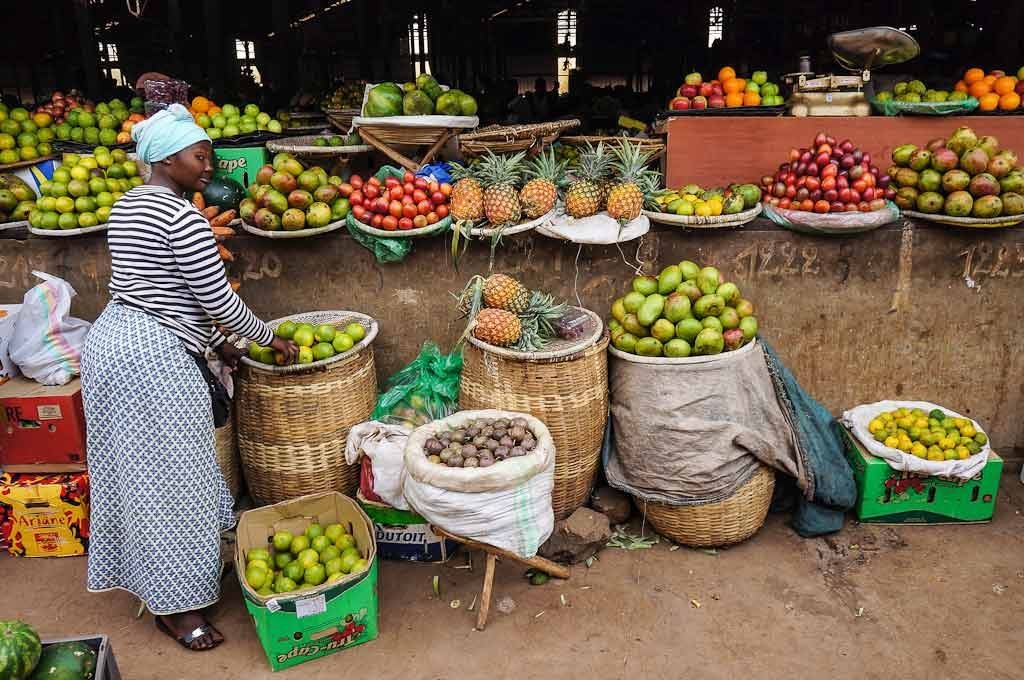
Agriculture remains one of the largest sources of employment in Rwanda, making climate adaptation critical for food security and economic stability.
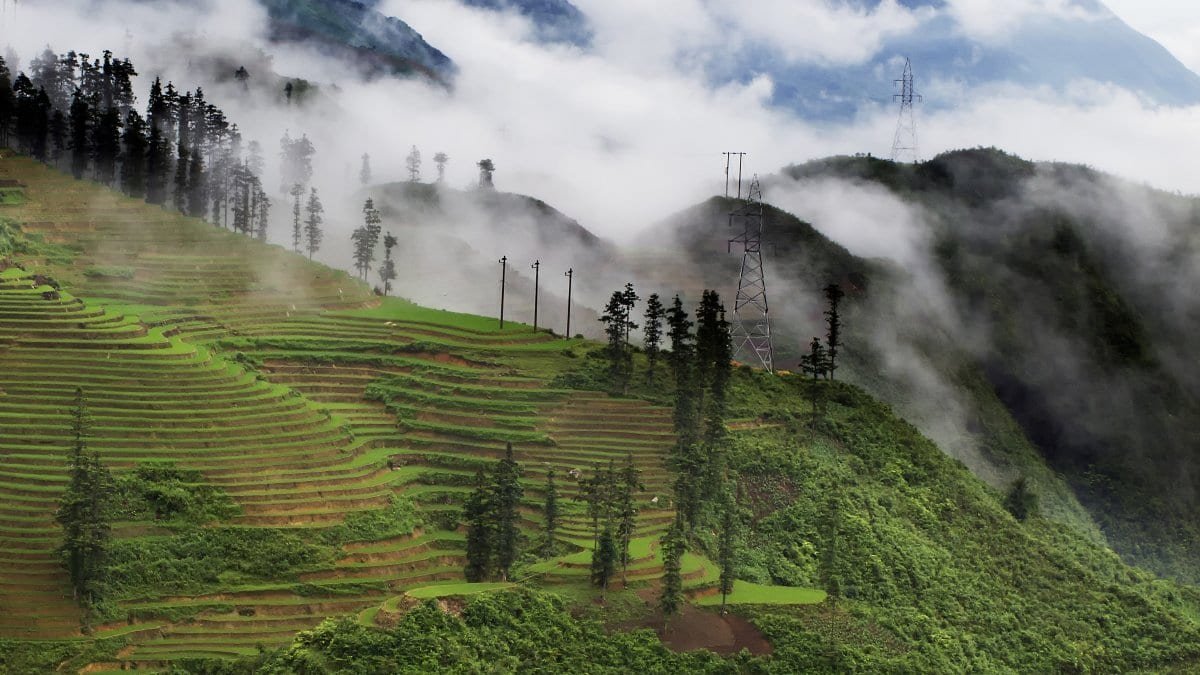
Vision 2050 also places environmental sustainability at the centre of Rwanda's long term development agenda. According to the strategy, future growth must protect natural resources while strengthening resilience to climate change for future generations.
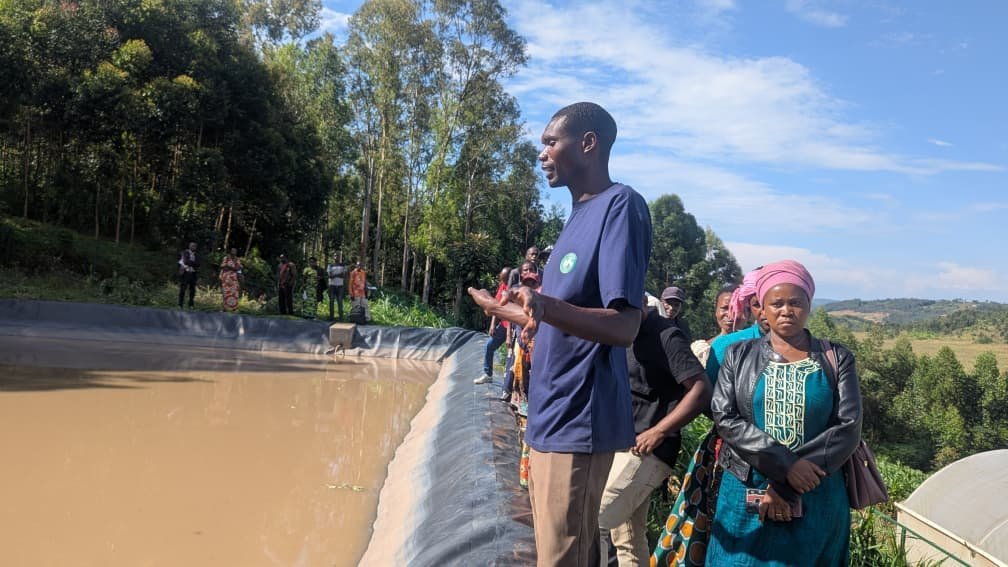
Across East Africa, climate change continues to disrupt agricultural production. Kenya, Tanzania, Uganda, Burundi, and the Democratic Republic of Congo have all increased investments in irrigation, climate smart farming, and drought resistant crops as governments seek to reduce the impact of extreme weather on food systems.
Key Facts
- Climate resilient agriculture is a national priority.
- Government seeks to reduce climate risks facing farmers.
- Floods, droughts, and landslides remain major threats.
- Strategy supports food security and sustainable farming.