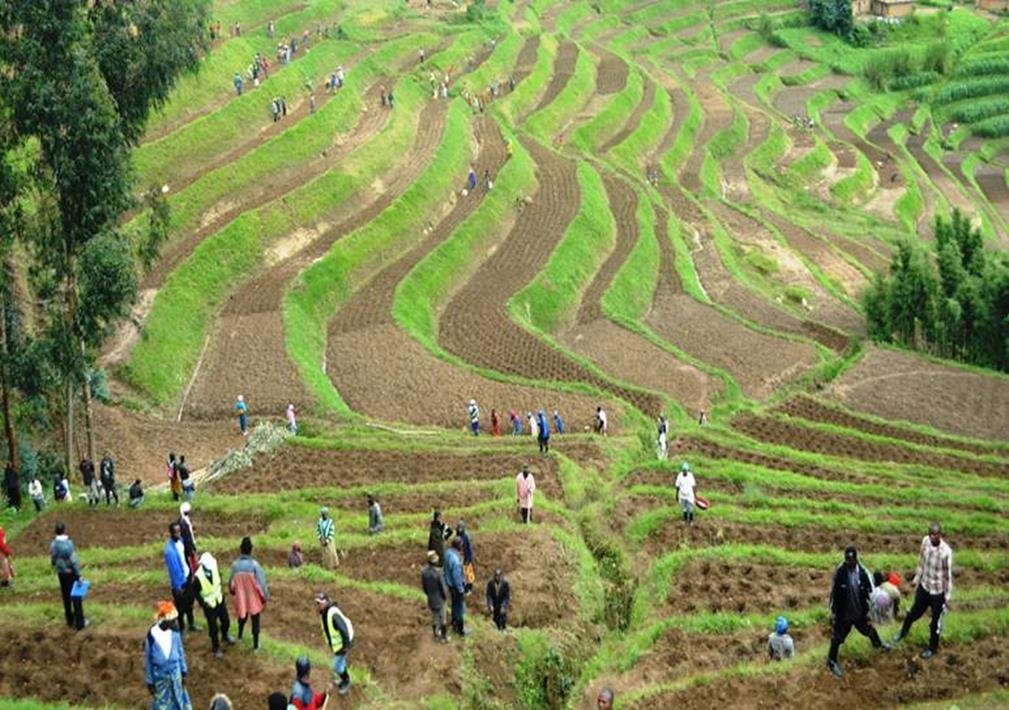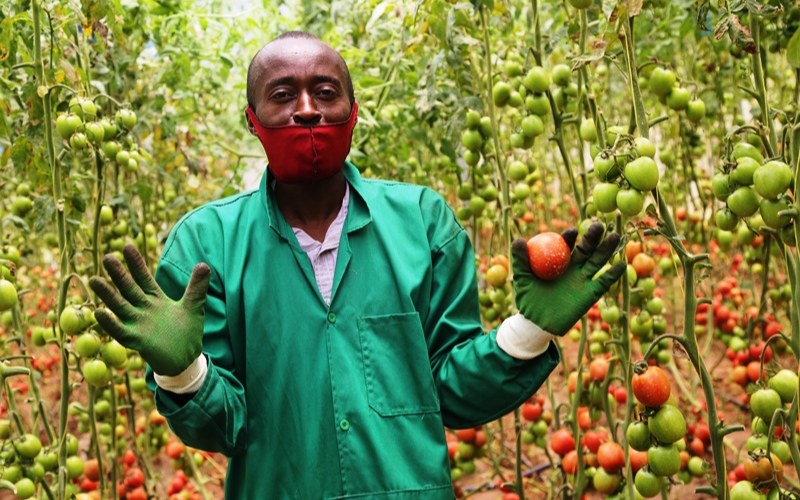
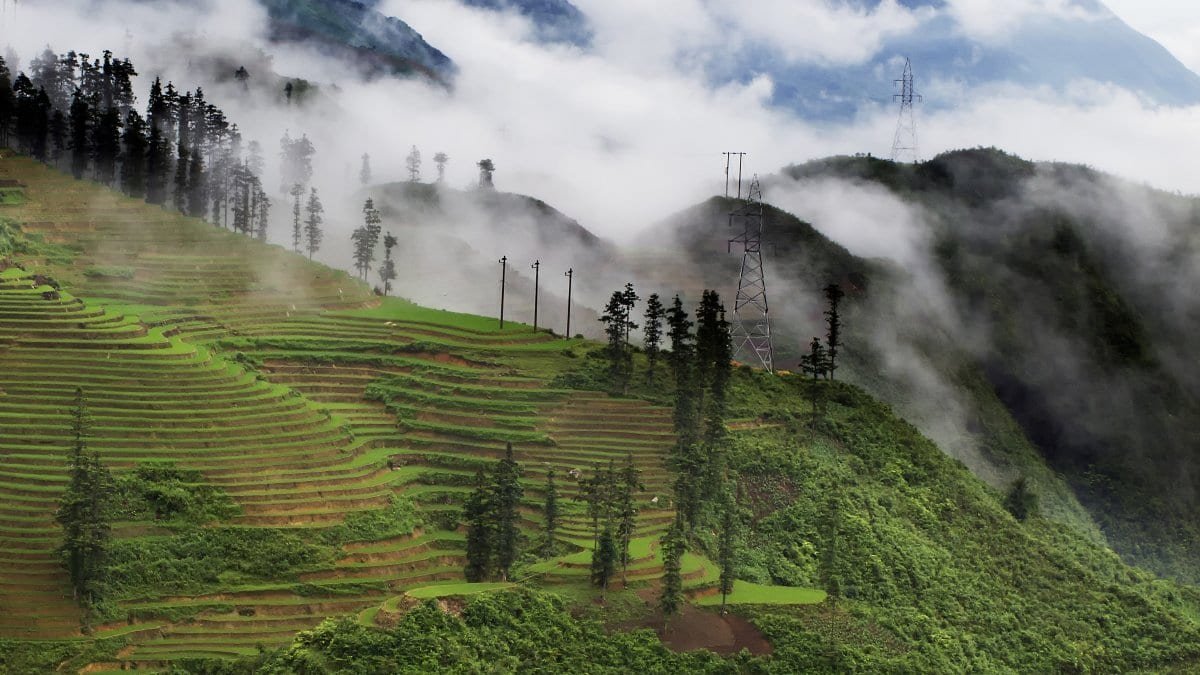
The Government of Rwanda has unveiled an ambitious plan to modernize agriculture through climate resilient farming as part of the National Strategy for Transformation 2 (NST2), positioning the sector as a key driver of economic growth and rural prosperity.
According to NST2, climate resilient, productive, and modernized agri food systems are among the government's highest priorities between 2024 and 2029. The strategy aims to increase agricultural productivity, improve food security, expand agro processing, strengthen value chains, and improve farmers' resilience to climate related shocks.
Agriculture remains one of Rwanda's largest employers and a major source of livelihoods, particularly in rural communities. The government says transforming the sector will be critical to achieving the country's broader economic ambitions under Vision 2050.
Climate change driving policy shift
The renewed focus on climate resilient agriculture comes as Rwanda faces increasing pressure from extreme weather events.
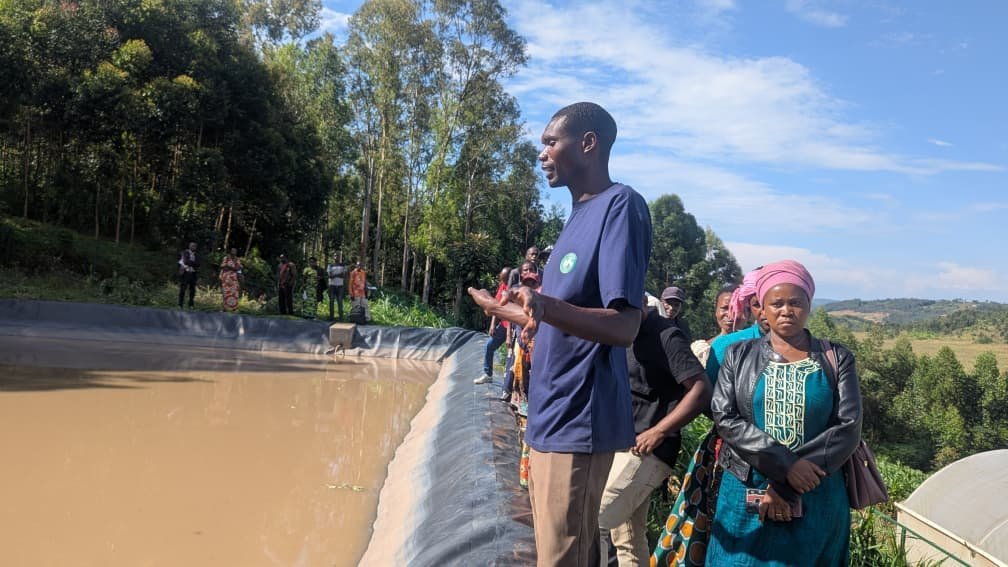
According to NST2, the country has made important progress in building climate resilience, but continues to experience floods, landslides, droughts, and other climate related disasters that threaten lives, infrastructure, and agricultural production. The strategy calls for scaling up investments that strengthen resilience while promoting sustainable development.
The government intends to encourage farming systems that are more productive, environmentally sustainable, and better able to withstand changing weather patterns.
Agriculture central to Vision 2050
Rwanda's long term Vision 2050 also places agriculture at the centre of national development.
According to the strategy, "Agriculture for Wealth Creation" is one of the five pillars supporting the country's long term transformation. The document states that agriculture must move beyond subsistence production toward a modern, productive sector capable of generating wealth, supporting industry, and improving rural incomes.
Vision 2050 further emphasizes sustainable management of natural resources and the need to build resilience against climate change while ensuring long term economic growth.
Agriculture remains a regional priority
Agriculture continues to underpin the economies of East Africa, although countries are pursuing different modernization strategies.
Kenya has focused on expanding irrigation, horticultural exports, dairy production, and agricultural technology. Tanzania has prioritized commercial agriculture, fertilizer use, irrigation schemes, and agro industrial development through its Agricultural Sector Development Programme. Uganda continues to strengthen coffee production, fisheries, dairy, and agro processing, while the Democratic Republic of Congo possesses vast agricultural potential but faces infrastructure and market access constraints. Burundi remains heavily dependent on agriculture, particularly coffee, tea, and food crop production.
Rwanda's approach places greater emphasis on combining climate resilience with productivity, recognizing that changing weather patterns present increasing risks to agricultural output across the region.
From farming to agribusiness
NST2 also seeks to strengthen the links between agriculture, manufacturing, and exports.
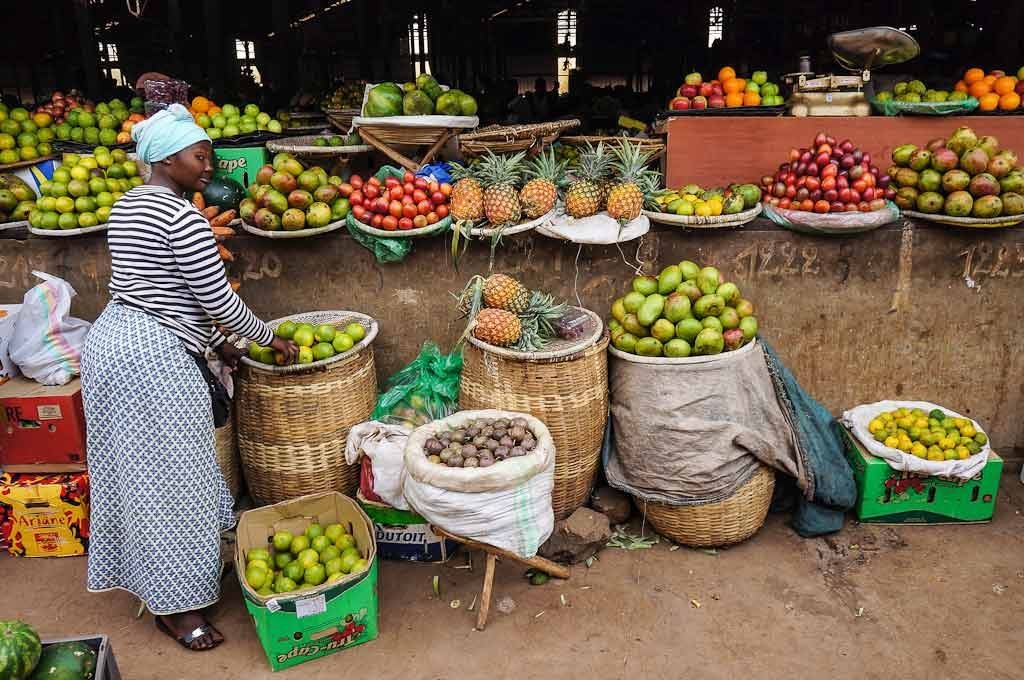
By promoting agro processing and value addition, the government aims to increase farmers' incomes while reducing reliance on exports of raw agricultural commodities. The strategy aligns with Rwanda's broader industrialization agenda, which encourages domestic manufacturing and stronger participation in regional and global value chains.
Economists argue that moving agricultural products further along the value chain can significantly increase export earnings, create employment, reduce post harvest losses, and improve food security.
As Rwanda works toward becoming an upper middle income country by 2035 and a high income economy by 2050, policymakers view agricultural transformation as an essential foundation for inclusive and sustainable economic growth.
Key Facts
- Climate resilient agriculture is a priority under NST2.
- Government aims to modernize agri food systems.
- Strategy promotes productivity, food security, and value addition.
- Climate change adaptation is central to agricultural policy.
- Agriculture for Wealth Creation is a pillar of Vision 2050.
- Agro processing is expected to strengthen exports and rural incomes.