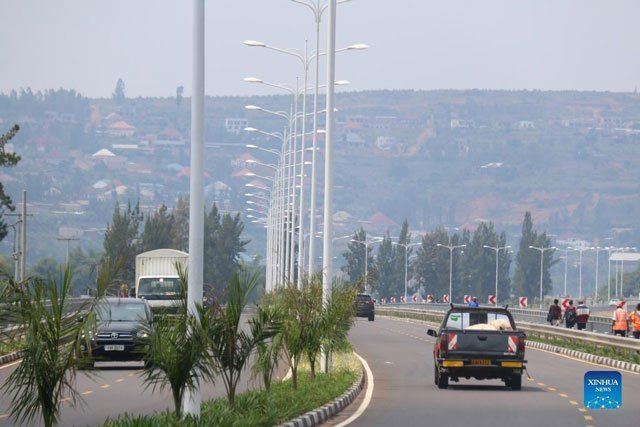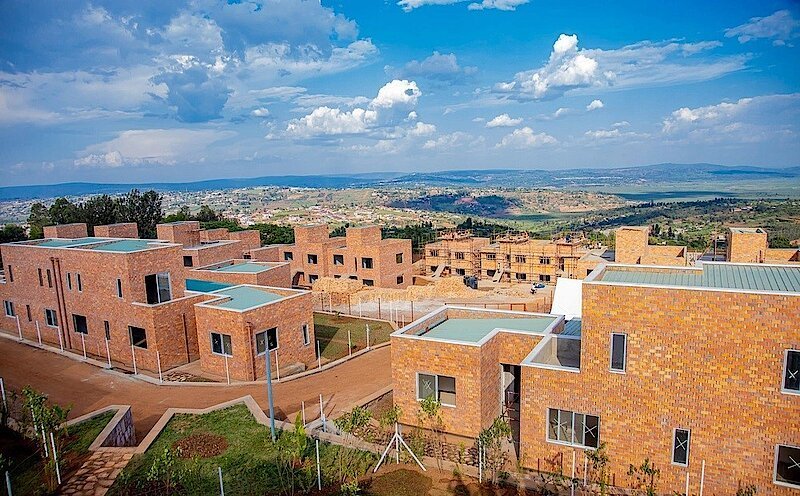

The Government of Rwanda has placed renewable energy development and universal access to electricity at the centre of its five year National Strategy for Transformation 2 (NST2), underscoring the role of reliable energy in driving economic growth and improving living standards.
According to NST2, the government will prioritize a transition to renewable and clean energy while expanding electricity access across the country. The strategy recognizes energy as a critical enabler of industrialization, digital transformation, investment, healthcare, education, and private sector development.
The energy agenda forms part of the broader Economic Transformation Pillar, which seeks to strengthen Rwanda's productive capacity while ensuring that future development is environmentally sustainable.
Energy seen as a foundation for economic growth
The strategy argues that reliable electricity is essential for increasing industrial production, supporting businesses, improving agricultural value addition, and attracting both domestic and foreign investment.
According to the NST2 preamble, Rwanda intends to promote sustainable development while investing in domestic manufacturing, productive employment, and climate resilience, with clean energy serving as one of the key pillars supporting those ambitions.
The government also views renewable energy as an important tool for reducing dependence on imported fossil fuels while lowering greenhouse gas emissions and strengthening long term energy security.
Significant progress already achieved
NST2 highlights substantial improvements made during the previous National Strategy for Transformation period.
According to the document, national electricity access increased from 34.4 percent in 2017 to 78.9 percent by 2024, reflecting major investments in energy infrastructure over the past seven years.
The government now intends to build on those gains by expanding access further while increasing the contribution of renewable energy sources to the national energy mix.
Regional comparison
Across East Africa, expanding electricity access remains a major development priority, although countries are progressing at different rates.
According to the World Bank and the International Energy Agency, Kenya has become one of Africa's leading producers of geothermal energy, with geothermal power accounting for a large share of its electricity generation. Tanzania continues to expand natural gas powered electricity while increasing investments in solar and hydropower. Uganda relies heavily on hydropower generated from the Nile, while the Democratic Republic of Congo possesses some of the world's largest hydropower potential through the Inga complex. Burundi continues to face one of the region's lowest electricity access rates despite ongoing investments in energy infrastructure.
Rwanda's strategy differs by combining universal electricity access with clean energy transition and climate resilience as mutually reinforcing objectives.
Supporting Vision 2050
Vision 2050 identifies energy infrastructure as one of the long term investments required to transform Rwanda into a high income economy.
According to the strategy, future development will depend on strengthening technological capabilities, improving infrastructure, supporting innovation, and creating a competitive private sector led economy. Reliable and affordable energy is considered a prerequisite for achieving those objectives.
The long term vision also emphasizes sustainable management of natural resources and building resilience against climate change, making renewable energy an important component of Rwanda's development model.
As Rwanda implements NST2 through 2029, investments in renewable energy and electricity access are expected to support manufacturing, digital services, healthcare, education, agriculture, and tourism while laying the foundation for the country's ambition of becoming an upper middle income economy by 2035 and a high income country by 2050.
Key Facts
- Renewable energy is a priority under NST2.
- Electricity access increased from 34.4 percent in 2017 to 78.9 percent in 2024.
- Government aims to expand universal electricity access.
- Clean energy will support industrialization and private sector growth.
- Energy transition forms part of Rwanda's Vision 2050 agenda.
- Climate resilience is integrated into national energy policy.