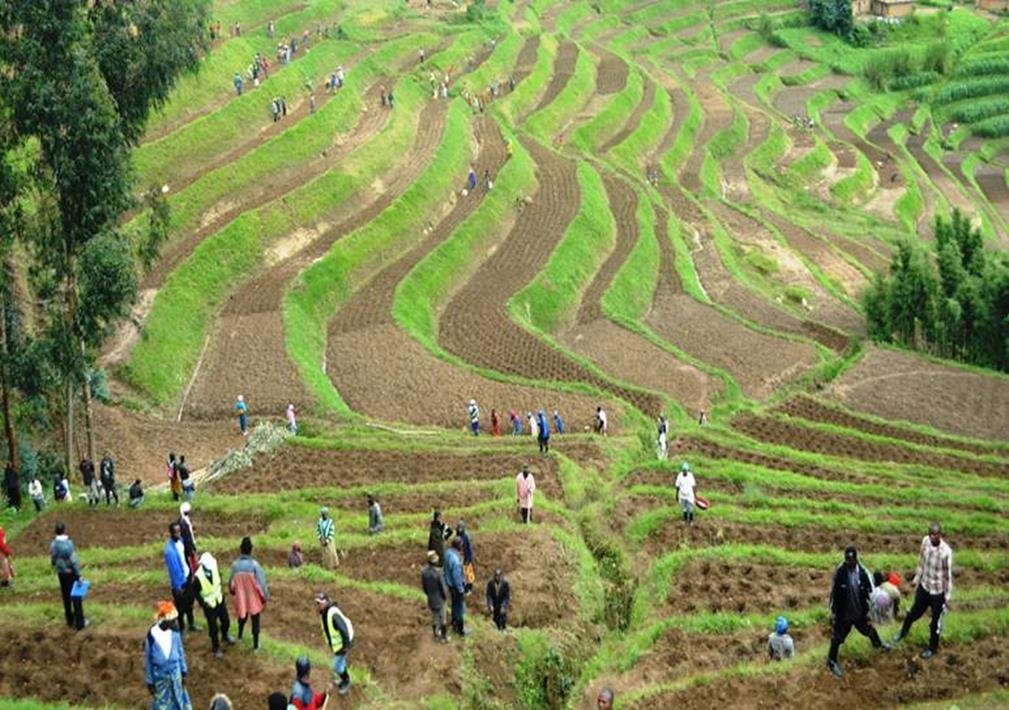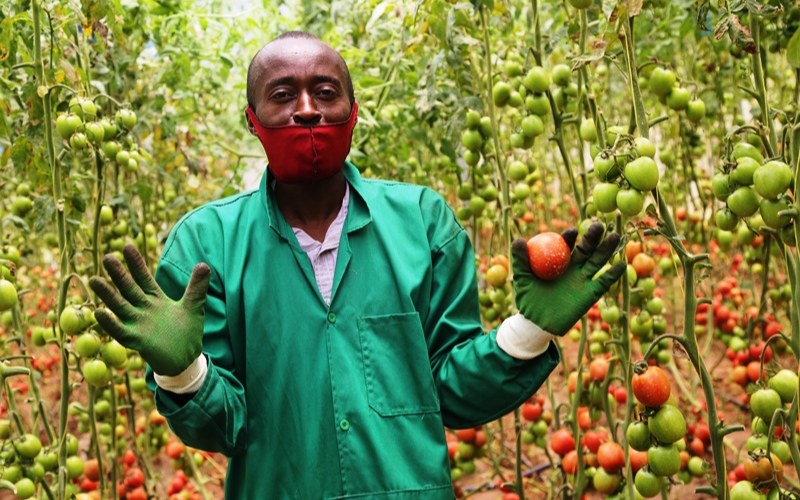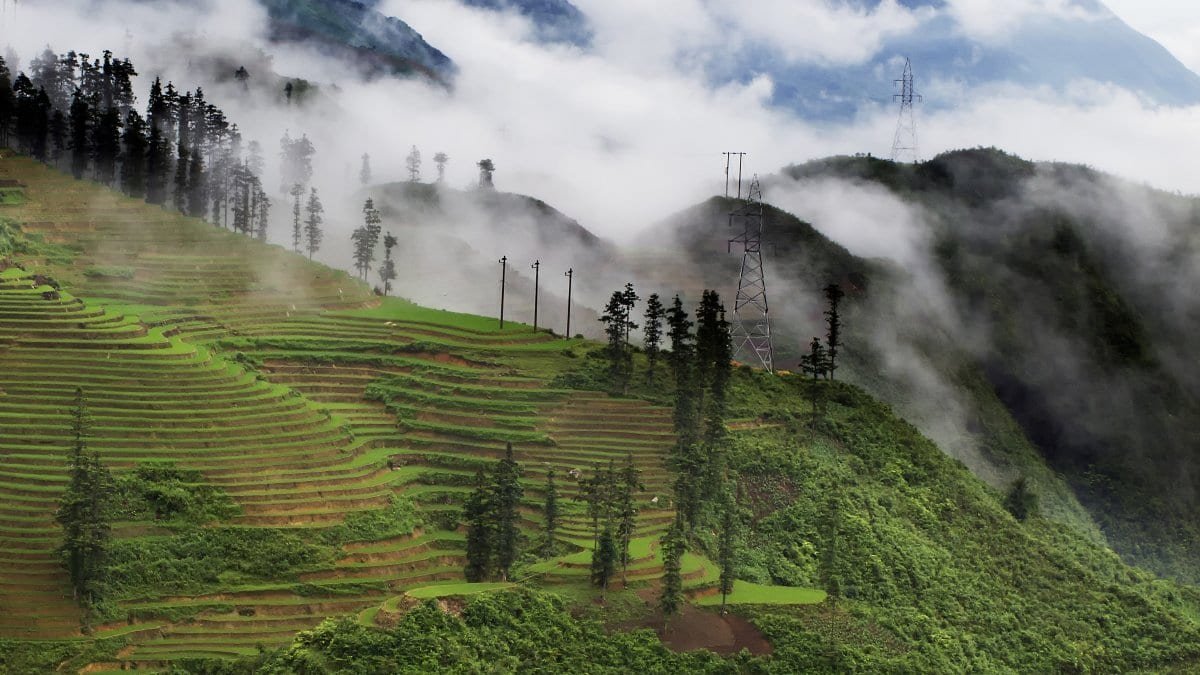
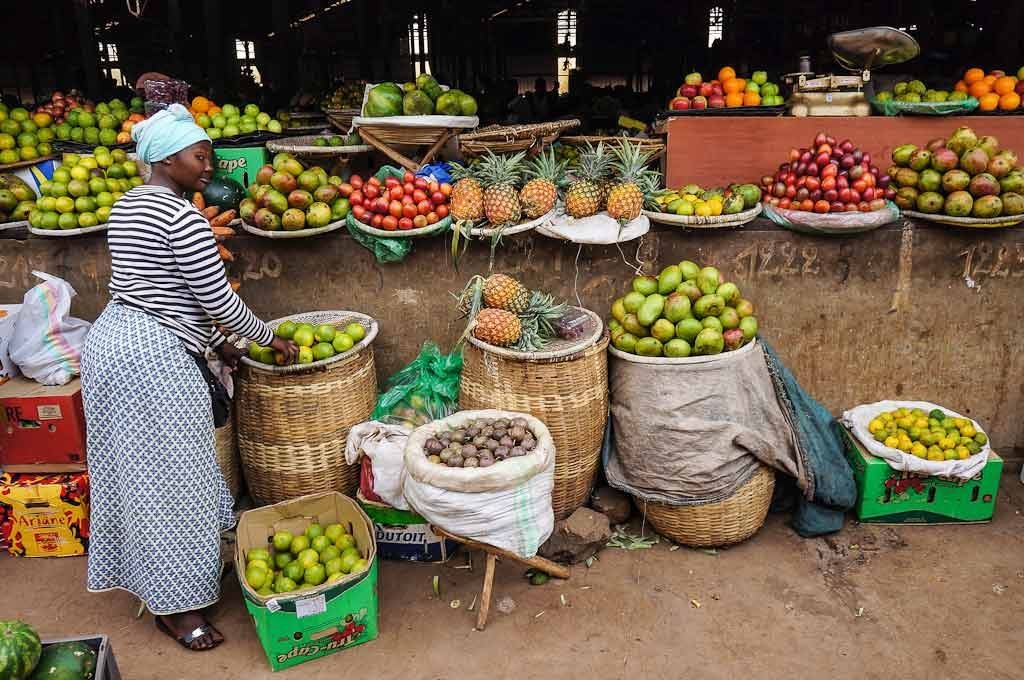
The Government of Rwanda has announced plans to strengthen agro processing as part of its National Strategy for Transformation 2, aiming to generate more value from agricultural products before they reach domestic and international markets.
According to NST2, the government intends to modernize agri food systems while supporting industrial development and export promotion. The strategy links agricultural transformation directly with Rwanda's wider industrialization agenda.
Rather than relying primarily on exports of raw commodities, Rwanda plans to encourage local processing of agricultural products, allowing farmers and businesses to capture more value within the domestic economy.
Vision 2050 identifies "Agriculture for Wealth Creation" as one of the country's five strategic pillars, emphasizing that agriculture should become a productive commercial sector capable of generating income, employment, and industrial growth.
Agricultural economists have long argued that countries exporting processed food products generally earn significantly more than those exporting raw commodities because value addition creates jobs across manufacturing, packaging, logistics, and retail.
Regional competitors including Kenya, Tanzania, and Uganda have also expanded agro processing industries in coffee, tea, dairy, edible oils, grains, and horticulture. Rwanda's latest strategy seeks to strengthen its competitiveness by integrating agriculture with manufacturing and export development.
Key Facts
- Agro processing is part of Rwanda's industrial strategy.
- Government aims to increase agricultural value addition.
- Strategy links farming with manufacturing and exports.
- Vision 2050 identifies agriculture as a wealth creation sector.