Rwanda has reaffirmed its commitment to expanding international cooperation as the country pursues its Vision 2050 ambition of becoming an upper middle income economy by 2035 and a high income country by 2050.
According to Vision 2050, international partnerships will remain central to Rwanda's development strategy, with government, the private sector, development partners, academia, civil society, and the diaspora expected to contribute to national development.
The strategy also states that Rwanda's development agenda is aligned with major international frameworks, including the United Nations Sustainable Development Goals, the African Union Agenda 2063, the East African Community Vision 2050, and the Paris Agreement on climate change.
Analysts say this alignment strengthens Rwanda's position when negotiating development financing, trade partnerships, and foreign investment.
Within East Africa, Rwanda has increasingly positioned itself as a destination for regional headquarters, international conferences, and investment, competing alongside Kenya, Tanzania, and Uganda to attract global capital.
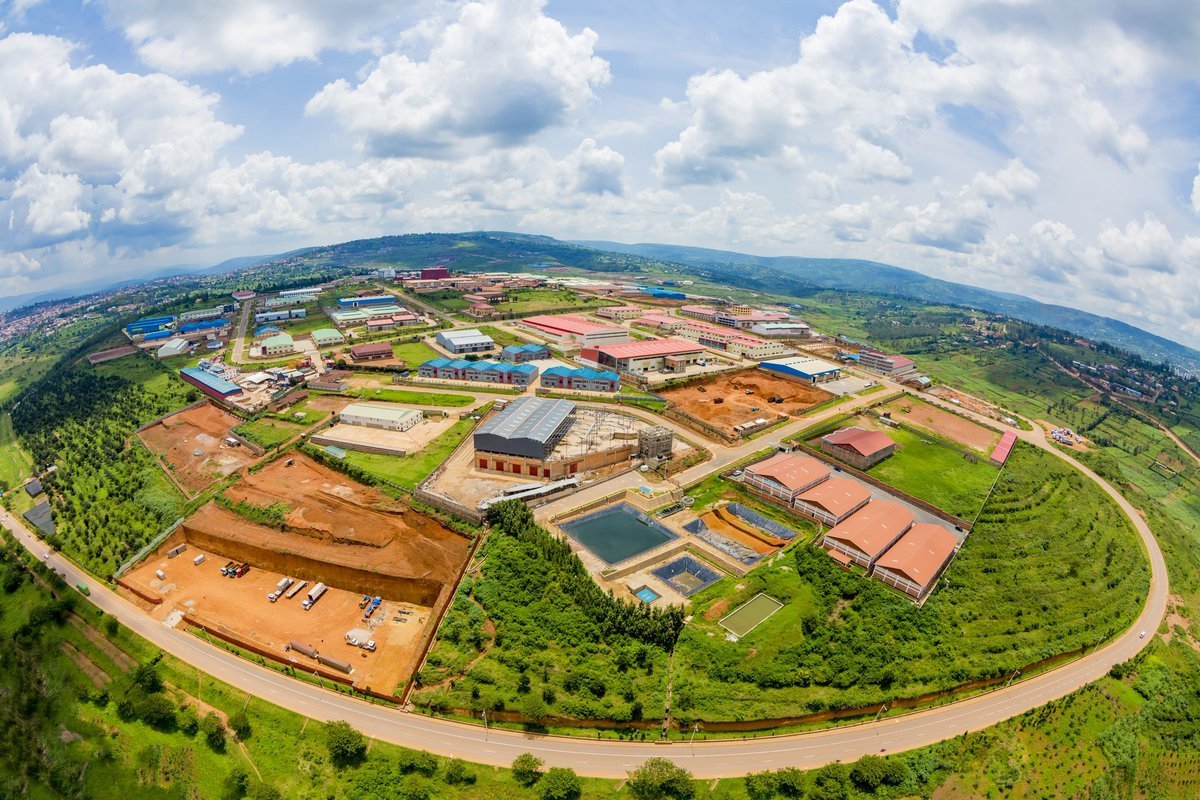
Government officials argue that stronger diplomatic engagement will complement investments in manufacturing, digital transformation, infrastructure, tourism, and innovation as Rwanda seeks to expand its role in regional and global markets.