
Rwanda’s tourism sector continues to demonstrate remarkable resilience and strategic growth, with new figures from the National Institute of Statistics of Rwanda indicating that the country generated approximately $161.5 million in revenue from travel services purchased by foreign visitors between November 2025 and January 2026. The figures highlight not only the sustained recovery of the tourism industry after the disruptions of the global pandemic era, but also Rwanda’s increasingly sophisticated positioning as a premium destination in Africa’s competitive travel market.
Revenue generated over three months coinciding with the peak international travel season reflects visitors' spending on accommodation, guided tours, transport, hospitality, conference services, and other tourism-related activities. For Rwanda, where tourism remains one of the leading sources of foreign exchange, this inflow represents more than just visitor spending; it signals growing confidence among international travellers and investors in the country’s stability, safety, and service quality.
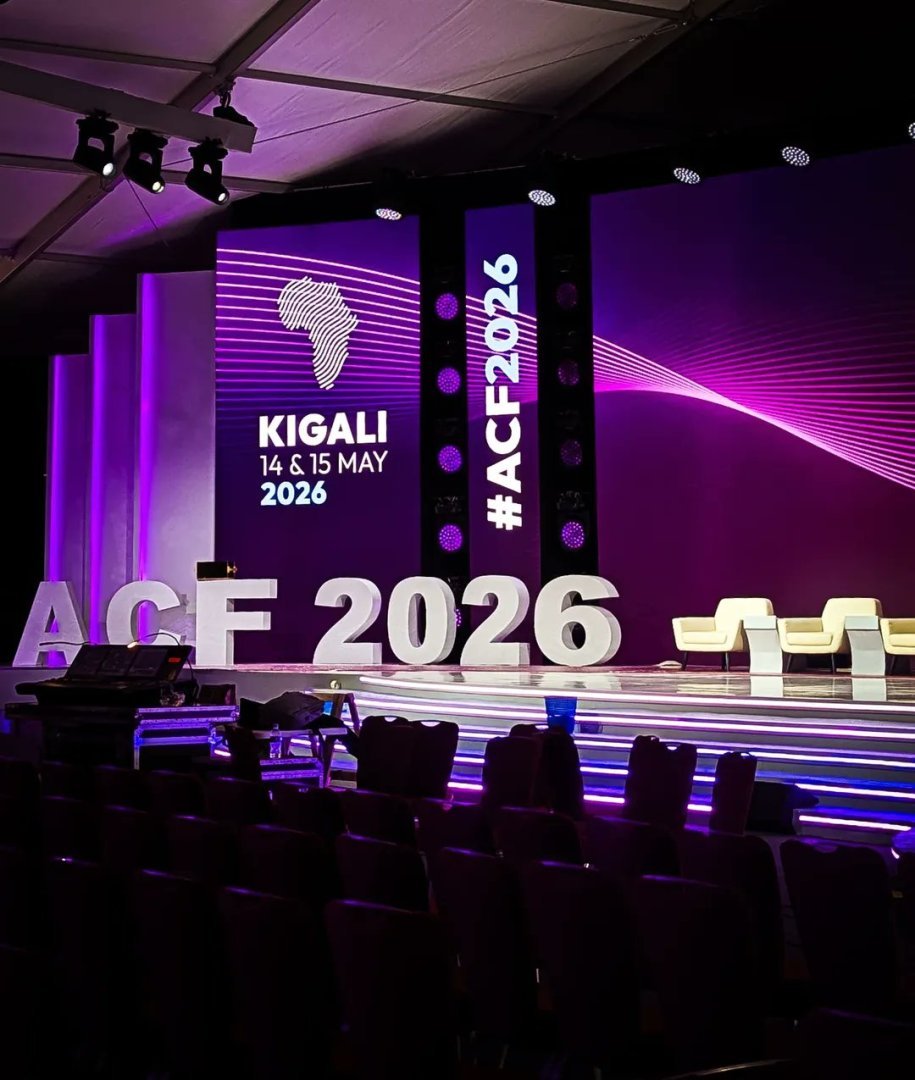
Kigali has played a central role in driving this momentum. Over the past decade, the capital has steadily transformed into a regional hub for conferences, business travel, and high-end hospitality. The presence of world-class facilities such as the Kigali Convention Centre has elevated Rwanda’s ability to host international meetings, exhibitions, and diplomatic events. Business travellers attending conferences and corporate gatherings often extend their stays to explore the country’s natural attractions, thereby amplifying tourism revenues across multiple sectors of the economy.
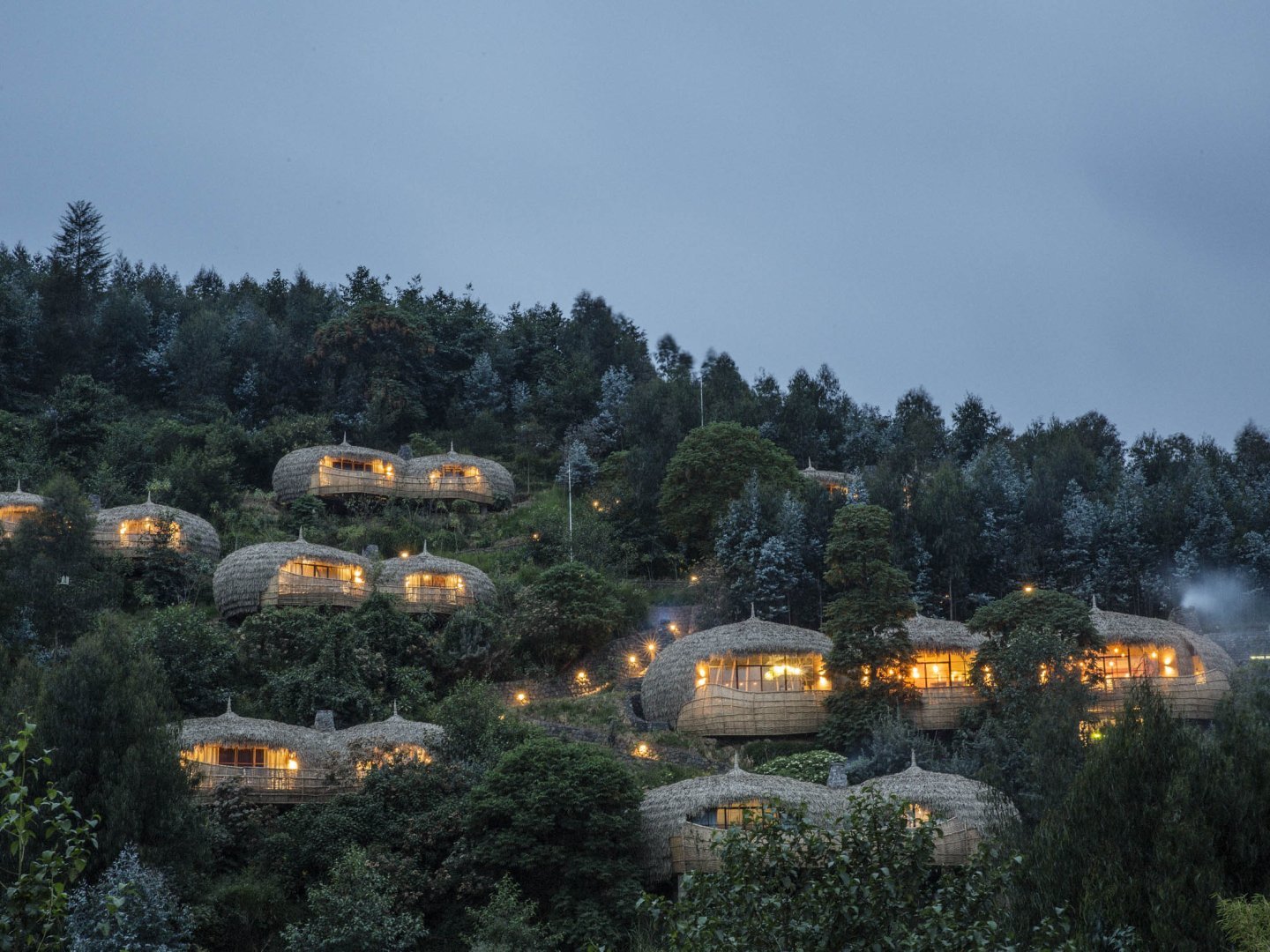
Beyond the capital, Rwanda’s globally recognised conservation model continues to attract high-value visitors seeking exclusive wildlife experiences. The country’s flagship attraction, Volcanoes National Park, remains a magnet for international tourists eager to participate in the world-renowned mountain gorilla trekking experience. Strict conservation policies, combined with premium pricing strategies, have enabled Rwanda to maintain both ecological sustainability and strong revenue generation from relatively low visitor volumes.
The period from November to January also coincides with the festive season in many parts of the world, a time when international travellers often seek warm-weather destinations with unique cultural and ecological experiences. Rwanda’s positioning as a safe, clean, and well-organized destination has increasingly appealed to affluent travelers from Europe, North America, and emerging markets in Asia and the Middle East. For a country that has deliberately pursued a “high-value, low-impact” tourism strategy, the $161.5 million figure underscores the effectiveness of this approach.
Equally significant is the broader economic ripple effect generated by tourism spending. Revenues from travel services support a wide ecosystem that includes airlines, hotels, tour operators, transport providers, farmers supplying hospitality businesses, and thousands of small enterprises operating in the informal sector. In practical terms, each dollar spent by an international visitor circulates through multiple layers of the domestic economy, creating employment opportunities and strengthening local value chains.
For policymakers and investors alike, the latest data offers a glimpse into the sector’s untapped potential. Rwanda’s strategic investments in infrastructure, digital services, and aviation connectivity—particularly through the national carrier RwandAir—are steadily lowering barriers for international access while expanding the country’s global reach. As more routes are opened and travel logistics improve, the tourism industry is expected to capture an even larger share of high-spending global travellers.
Looking ahead, the challenge will be sustaining growth while preserving the environmental and cultural assets that make Rwanda distinctive. Maintaining conservation standards, expanding tourism products beyond gorilla trekking, and strengthening regional travel networks will be key priorities if the country is to continue climbing the ladder of elite global destinations.
Yet the latest figures already tell a compelling story. In just three months, Rwanda has demonstrated that strategic planning, disciplined governance, and premium branding can translate into substantial economic returns. For a nation that has carefully cultivated its reputation on the global stage, the $161.5 million generated from travel services in a single quarter is more than a statistic—it is a clear signal that Rwanda’s tourism economy is entering a new phase of maturity and influence.