
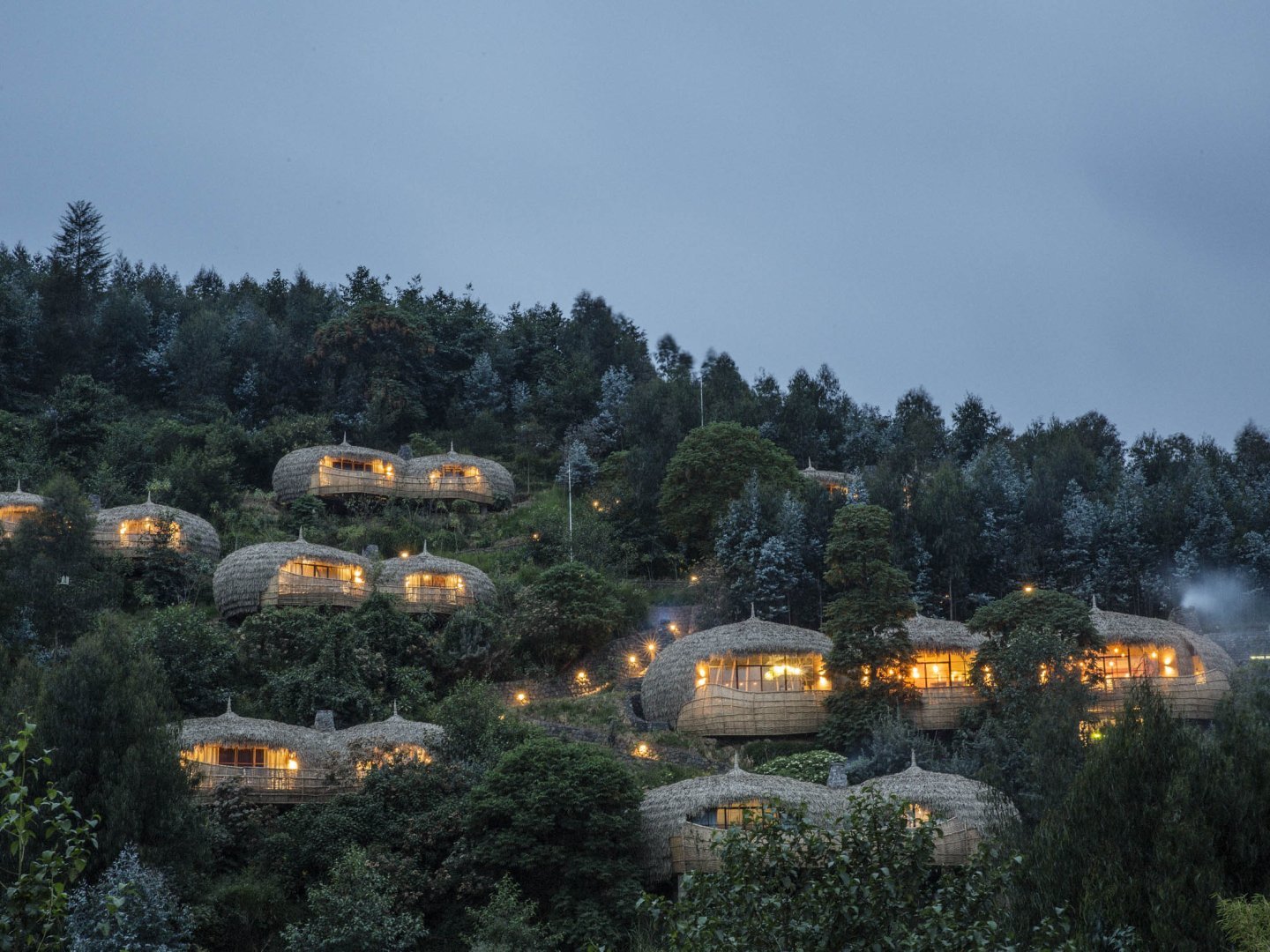
The Government of Rwanda has identified tourism as one of the strategic sectors expected to drive economic growth over the next five years, with the National Strategy for Transformation 2 (NST2) prioritizing investments in high end, eco friendly, and diversified tourism.
According to NST2, tourism forms part of the Economic Transformation Pillar alongside manufacturing, digital transformation, transport infrastructure, renewable energy, agriculture, and financial sector development. The strategy aims to increase tourism's contribution to economic growth while creating employment and attracting investment.
The government says future tourism growth will focus on expanding visitor experiences beyond traditional wildlife tourism while strengthening sustainability and increasing the sector's resilience.
Tourism revenues continue to grow
Rwanda has recorded strong growth in tourism over the past seven years despite the disruption caused by the COVID 19 pandemic.
According to NST2, tourism revenues increased from US$374 million in 2017 to US$620 million by 2024, nearly doubling over the implementation period of the first National Strategy for Transformation. The document attributes part of this recovery to policy measures introduced following the pandemic, including the Economic Recovery Fund and the rapid rollout of vaccination programmes.
The government now aims to build on that momentum by expanding tourism products and attracting higher spending visitors.
Rwanda competes in a growing regional market
Tourism remains one of East Africa's largest sources of foreign exchange, with each country offering distinct attractions.
Kenya continues to attract visitors through its Indian Ocean coastline, safari destinations, conference tourism, and national parks. Tanzania is home to some of Africa's most visited destinations, including Serengeti National Park, Mount Kilimanjaro, the Ngorongoro Conservation Area, and Zanzibar. Uganda has established itself as a destination for gorilla trekking, adventure tourism, and nature based experiences, while the Democratic Republic of Congo offers unique biodiversity including Virunga National Park. Burundi continues to develop its tourism sector around Lake Tanganyika, cultural heritage, and nature tourism.
Rwanda has increasingly differentiated itself by focusing on premium tourism, conservation, meetings and conferences, luxury hospitality, and environmental sustainability.
Tourism supports wider economic development
The importance of tourism extends beyond visitor numbers.
According to economists, tourism stimulates demand across multiple sectors including aviation, hospitality, transport, agriculture, construction, retail, financial services, and creative industries. Every increase in visitor spending creates economic activity that benefits businesses throughout the supply chain.
Under NST2, tourism is expected to contribute to export earnings, employment creation, foreign investment, and broader economic diversification.
Supporting Vision 2050
Vision 2050 identifies competitiveness, regional integration, and private sector development as essential pillars for Rwanda's long term prosperity.
According to the strategy, achieving upper middle income status by 2035 and high income status by 2050 will require sustained growth across productive sectors capable of generating foreign exchange, attracting investment, and improving living standards. Tourism is expected to remain one of those strategic sectors.
The long term vision also emphasizes environmental sustainability and the responsible management of natural resources, aligning closely with Rwanda's objective of expanding eco friendly tourism.
As competition for international visitors increases across Africa, Rwanda's latest development strategy signals that tourism will continue to be a major pillar of the country's economic transformation agenda.
Key Facts
- Tourism is a priority sector under NST2.
- Rwanda aims to develop high end, eco friendly, and diversified tourism.
- Tourism revenues increased from US$374 million in 2017 to US$620 million in 2024.
- The sector supports employment, exports, and foreign investment.
- Tourism contributes to Rwanda's Vision 2050 economic ambitions.
- Sustainability remains a central element of Rwanda's tourism strategy.