Rwanda has set its sights on joining the ranks of the world's high income economies by 2050, a goal that forms the centerpiece of the country's Vision 2050 development blueprint.
According to the Government of Rwanda, the country plans to increase its Gross Domestic Product per capita to more than US$12,476 by 2050, a milestone that would place Rwanda among high income economies under internationally recognized income classifications.
The strategy represents a significant shift from Rwanda's earlier development priorities, which focused largely on post genocide recovery, poverty reduction, and rebuilding institutions. Vision 2050 instead emphasizes wealth creation, innovation, competitiveness, and higher living standards as the next phase of national development.
According to Vision 2050, Rwanda's long term aspiration is not only to generate higher incomes but also to provide citizens with world class education, modern healthcare, financial security, quality housing, efficient public services, and a sustainable environment.
The document states that economic growth must be accompanied by investments in people, ensuring that women, youth, older persons, and vulnerable groups all participate in and benefit from development.
What defines a high income country?
According to the World Bank, countries are classified as high income when their Gross National Income per capita exceeds a threshold that is updated annually. High income economies generally demonstrate advanced industrial capacity, diversified exports, strong institutions, high productivity, and higher standards of living.
For Rwanda, reaching this category will require sustained economic expansion over several decades while maintaining improvements in education, healthcare, infrastructure, technology, and governance.
How Rwanda compares with its neighbours
Among East African Community member states, none has yet attained high income status.
Kenya currently has the region's largest economy by GDP and the highest income per capita among the major East African economies. Tanzania and Uganda continue to record steady economic growth while investing heavily in industrialization and infrastructure. Burundi and the Democratic Republic of Congo remain among the region's lowest income economies despite significant natural resources.
Rwanda's strategy differs in that it establishes measurable long term income targets supported by successive national development programmes, including the National Strategy for Transformation 2 covering 2024 to 2029.
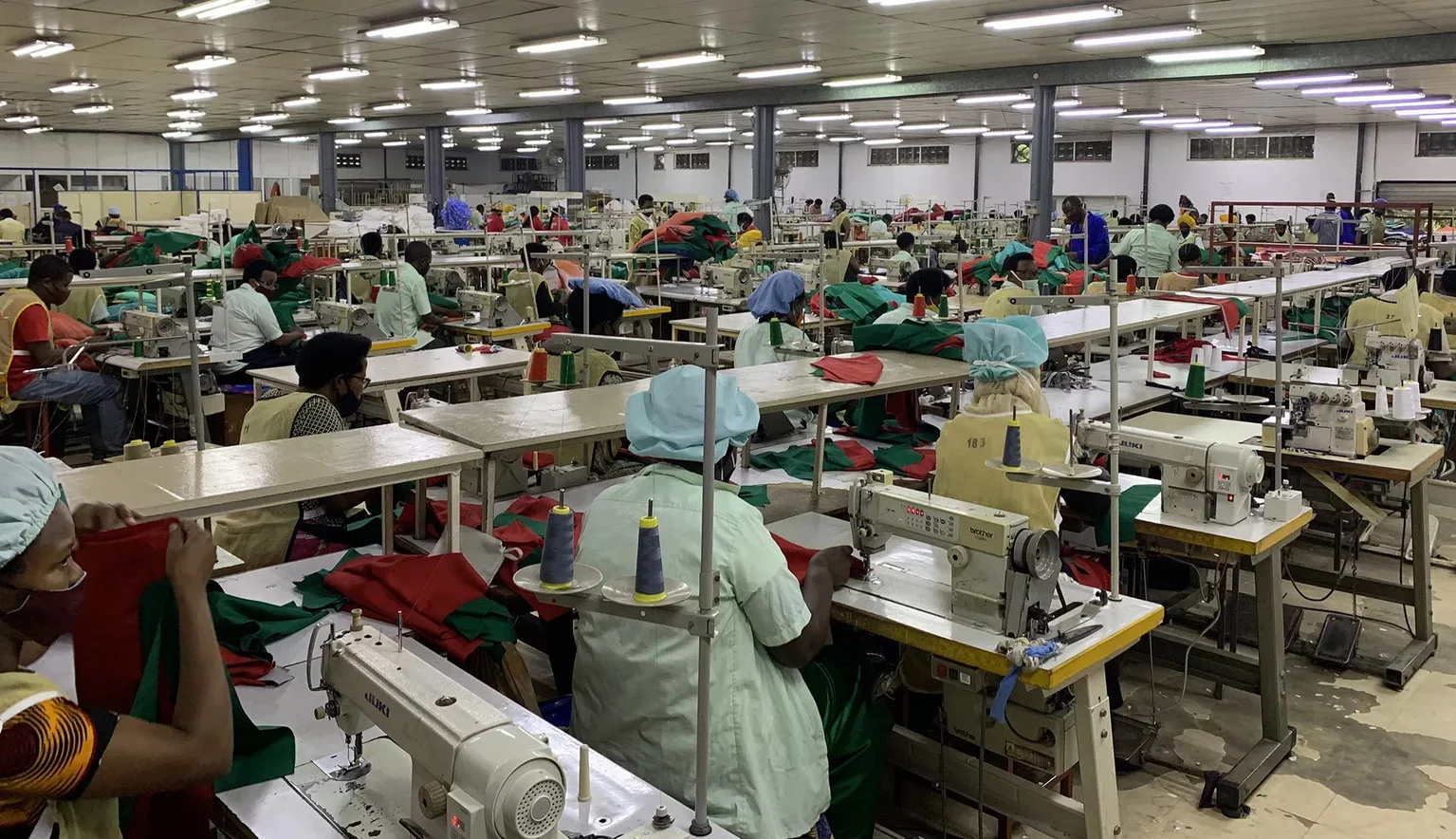
According to NST2, priority investments over the next five years will focus on industrial development, export promotion, renewable energy, digital transformation, transport infrastructure, financial sector reforms, education, healthcare, climate resilience, and productive job creation.
Private sector expected to drive growth
Vision 2050 identifies the private sector as the engine of Rwanda's future economy.
According to the strategy, achieving high income status will require stronger private investment, technological innovation, competitive industries, urban development, skilled human capital, and accountable institutions capable of supporting long term economic expansion.
The Government also intends to strengthen Rwanda's integration into regional and global markets while aligning national development with the Sustainable Development Goals, the African Union Agenda 2063, and the East African Community Vision 2050.
Although the 2050 target remains decades away, policymakers view the current implementation period under NST2 as a critical stage in laying the foundations for sustained economic growth and improving the quality of life for all Rwandans.
Key Facts
- Rwanda targets high income status by 2050.
- GDP per capita target exceeds US$12,476.
- Vision 2050 focuses on prosperity and quality of life.
- Private sector growth is central to the strategy.
- NST2 serves as the current implementation framework from 2024 to 2029.
- Priority sectors include manufacturing, digital technology, infrastructure, education, healthcare, and renewable energy.